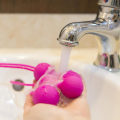
When it comes to enhancing our intimate experiences, sex toys can play a significant role. However, the enjoyment they provide comes with a responsibility that should not be overlooked: maintaining proper hygiene through regular cleaning and safe disposal. Understanding the importance of cleaning sex toys is essential not only for personal health but also for the longevity of the toys themselves. Neglecting this aspect can lead to a host of health risks, including bacterial infections, irritations, and even more severe complications.Many people may not realize that sex toys can harbor harmful bacteria, especially if they are made from porous materials. When it comes to enhancing our intimate experiences, sex toys can play a significant role. However, the enjoyment they provide comes with a responsibility that should not be overlooked: maintaining proper hygiene through regular cleaning and safe disposal. Understanding the importance of cleaning sex toys is essential not only for personal health but also for the longevity of the toys themselves. Neglecting this aspect can lead to a host of health risks, including bacterial infections, irritations, and even more severe complications.Many people may not realize that sex toys can harbor harmful bacteria, especially if they are made from porous materials.
These bacteria can thrive in the nooks and crannies of the toys, leading to potential infections when used. Additionally, using dirty toys can introduce pathogens into the body, which can result in urinary tract infections (UTIs) or other sexually transmitted infections (STIs). Therefore, understanding how to clean sex toys effectively is crucial for ensuring a safe and pleasurable experience.Equally important is the proper disposal of old or damaged sex toys. Just as we wouldn’t throw away other personal items without considering their impact on our health and the environment, we should approach the disposal of sex toys with the same care.
Many materials used in sex toys are not biodegradable and can contribute to environmental pollution if discarded improperly. By learning about safe disposal methods, we can minimize our ecological footprint while also protecting ourselves and others from potential health hazards.In this article, we will delve deeper into the best practices for cleaning and disposing of sex toys. By prioritizing hygiene and responsible disposal, we can enjoy our adult toys while safeguarding our health and well-being.
How to Clean Sex Toys: General Guidelines
Cleaning your sex toys is an essential part of maintaining both hygiene and the longevity of the products. Proper cleaning not only helps to prevent infections but also ensures that your toys remain in good condition for future use.Here are some general guidelines to follow when it comes to cleaning your adult toys.
1.Read the Manufacturer's Instructions
Before you begin cleaning, always refer to the manufacturer's instructions that come with your toy. Different materials require different care, and following these guidelines will help you avoid damaging your toy or compromising your health.
2.Use Appropriate Cleaning Products
When it comes to cleaning sex toys, it’s crucial to use products that are safe and effective. Here are some recommended options:
- Mild Soap and Water: A simple solution of warm water and mild, unscented soap is often sufficient for most materials.
- Specialized Toy Cleaners: Many brands offer cleaners specifically designed for sex toys. These are usually pH-balanced and free from harsh chemicals.
- Alcohol or Bleach Solutions: For deeper cleaning, a diluted solution of isopropyl alcohol or bleach (10 parts water to 1 part bleach) can be used, but ensure thorough rinsing afterward.
3.Clean Before and After Use
To maintain optimal hygiene, always clean your toys before and after each use.
This practice minimizes the risk of bacterial growth and ensures a safe experience every time.
4.Pay Attention to Material Types
Different materials require different cleaning methods:
- Silicone: Can be boiled for sterilization or cleaned with soap and water.
- Glass or Hard Plastic: Safe for dishwasher cleaning (top rack) or soap and water.
- Jelly or Rubber: Best cleaned with soap and water; avoid boiling as it can damage the material.
5.Dry Thoroughly
After cleaning, allow your toys to air dry completely before storing them. This helps prevent moisture buildup, which can lead to mold or bacteria growth.
6.Store Properly
Once dry, store your sex toys in a cool, dry place away from direct sunlight. Avoid using plastic bags for storage as they can cause materials to break down over time.By adhering to these guidelines on how to clean sex toys, you can ensure a safe and enjoyable experience while prolonging the life of your adult toys.
Cleaning Different Types of Sex Toys
When it comes to maintaining the hygiene and longevity of your sex toys, understanding how to clean different materials is essential. Each type of sex toy requires specific care to ensure they remain safe for use and free from harmful bacteria.Below, we break down the cleaning methods for various types of sex toys, including silicone, glass, rubber, and vibrators.
Cleaning Silicone Sex Toys
Silicone is a popular material for sex toys due to its non-porous nature and body-safe properties. To clean silicone toys:- Wash with Soap and Water: Use warm water and a mild, unscented soap. Gently scrub the surface to remove any bodily fluids or lubricants.
- Boiling Method: For a deeper clean, silicone toys can be boiled in water for 3-5 minutes. This method effectively sterilizes the toy.
- Use Toy Cleaners: Alternatively, you can use a specially formulated toy cleaner that is safe for silicone materials.
Cleaning Glass Sex Toys
Glass sex toys are not only aesthetically pleasing but also easy to clean.Here’s how to care for them:
- Soap and Water: Clean your glass toy with warm water and mild soap. Ensure you rinse thoroughly to remove any soap residue.
- Dishwasher Safe: Many glass toys are dishwasher safe; place them on the top rack for a thorough clean.
- Sterilization: You can also sterilize glass toys by soaking them in a solution of 10 parts water to 1 part bleach for a few minutes, followed by rinsing with warm water.
Cleaning Rubber Sex Toys
Rubber toys require special attention due to their porous nature. To clean rubber sex toys:- Mild Soap Solution: Use warm water mixed with mild soap or a dedicated toy cleaner. Avoid harsh chemicals that can degrade the material.
- Thorough Rinsing: Make sure to rinse well after cleaning to eliminate any soap residue that could irritate sensitive areas.
- Condom Use: Consider using condoms over rubber toys during use for easier cleanup and added protection against bacteria.
Cleaning Vibrators
Vibrators come in various materials, so cleaning methods may vary slightly based on their composition.Here’s a general guide:
- Batteries Out: Always remove batteries before cleaning to prevent damage or short-circuiting.
- Warm Water and Soap: Clean the exterior with warm water and mild soap, ensuring you get into any grooves or crevices.
- Toy Cleaner Option: For an extra level of cleanliness, use a toy cleaner specifically designed for vibrators.
Best Practices for Storing Sex Toys
Proper storage of your sex toys is essential for maintaining their integrity, hygiene, and longevity. By following best practices for storing adult toys, you can ensure they remain safe for use and free from contamination. Here are some key considerations and tips for optimal storage solutions.Environmental Factors to Consider
When storing sex toys, it’s important to consider the environment in which they are kept.Here are some factors that can affect their lifespan:
- Temperature: Extreme temperatures can damage the materials of your toys. Avoid storing them in places that experience high heat, such as near radiators or in direct sunlight, as this can cause materials to warp or degrade.
- Humidity: Excess moisture can lead to mold and bacteria growth. Store your toys in a dry area to prevent these issues. A cool, dry drawer or cabinet is often ideal.
- Light Exposure: Prolonged exposure to light can fade colors and weaken materials.
Keep your toys in opaque containers or bags to shield them from light.
Best Storage Practices
Here are some effective storage practices to keep your sex toys in top condition:- Use Separate Storage: If you have multiple toys, store them separately to prevent materials from reacting with each other. For example, silicone toys should not be stored with jelly or rubber toys, as they can degrade each other.
- Opt for Breathable Bags: Consider using cotton or linen bags for storage. These materials allow air circulation while protecting your toys from dust and debris.
- Avoid Plastic Bags: While it may be tempting to use plastic bags for convenience, they can trap moisture and lead to bacterial growth. Instead, choose breathable options.
- Keep Batteries Out: If your toy is battery-operated, remove the batteries before storing it.
This prevents corrosion and ensures that your toy is ready for use when you need it.
Organizing Your Collection
If you have a larger collection of sex toys, consider organizing them in a way that makes them easy to access while keeping them safe:- Use a Dedicated Drawer or Box: Designate a specific drawer or box for your sex toys. This keeps them organized and out of sight from guests.
- Label Containers: If you have various types of toys, labeling containers can help you quickly find what you need without rummaging through everything.
- Consider a Toy Chest: For those with extensive collections, a toy chest with compartments can be an excellent solution for organization and protection.
When and How to Dispose of Old or Worn-Out Sex Toys
When it comes to disposing of old sex toys, understanding the right methods is essential for both hygiene and environmental responsibility. Many people may not realize that simply tossing these items in the regular trash can pose health risks and contribute to environmental waste.Here’s a comprehensive guide on how to properly dispose of your worn-out adult toys.
Recognizing When to Dispose of Your Sex Toys
- Visible Damage: If your toy has cracks, tears, or any visible signs of wear, it’s time to let it go.
- Odor: A persistent unpleasant smell can indicate that bacteria have built up, making the toy unsafe for use.
- Material Degradation: Materials like jelly rubber can break down over time, becoming sticky or discolored.
- Loss of Functionality: If your toy no longer operates as intended, it’s best to dispose of it.
Eco-Friendly Disposal Methods
Disposing of sex toys doesn’t have to be harmful to the environment. Here are some eco-friendly options:
- Recycling: Some materials used in sex toys, such as silicone and certain plastics, can be recycled. Check with your local recycling center to see if they accept these materials. Make sure to clean the toys thoroughly before recycling.
- Specialized Disposal Programs: Some companies and organizations offer take-back programs for sex toys.
These programs ensure that the materials are disposed of or recycled properly. Research brands that provide this service.
- Composting: If your toy is made from biodegradable materials, consider composting it. However, ensure that all electronic components are removed first.
Safe Disposal Practices
If recycling or eco-friendly options are not available, follow these steps for safe disposal:
- Wrap It Up: Place the toy in a plastic bag to contain any residual materials and odors.
- Label It: Consider labeling the bag as "non-recyclable" or "used sex toy" to inform waste handlers.
- Regular Trash: Dispose of the wrapped item in your regular trash bin. Avoid placing it in public trash cans where it may cause embarrassment or health concerns for others.
Remember, responsible disposal is just as important as proper cleaning and maintenance!
Frequently Asked Questions About Cleaning and Disposing of Sex Toys
When it comes to the cleaning and disposal of sex toys, many users have questions and concerns. Below are some frequently asked questions that can help clarify common misconceptions and provide essential information.What is the best way to clean my sex toys?
The cleaning method for your sex toys largely depends on the material they are made from. Here are some general guidelines:- Silicone: Wash with warm water and mild soap, or boil for a few minutes to sterilize.
- Glass or Metal: These can be cleaned with soap and water or placed in the dishwasher (top rack only).
- Jelly or Rubber: Use mild soap and water or a specially formulated toy cleaner, as these materials can harbor bacteria.
How often should I clean my sex toys?
You should clean your sex toys before and after each use. This practice helps prevent the buildup of bacteria and ensures that your toys remain safe for use.Can I use regular household cleaners on my sex toys?
No, it is not advisable to use regular household cleaners on your sex toys.Many household cleaners contain harsh chemicals that can damage the toy's material and may also pose health risks. Stick to mild soap or products specifically designed for cleaning sex toys.
What should I do with old or broken sex toys?
When disposing of old or broken sex toys, avoid throwing them in the regular trash. Instead, consider the following options:- Check with local recycling centers to see if they accept sex toys for recycling.
- If recycling is not an option, wrap the toy in a plastic bag before disposing of it in the trash.
- Contact the manufacturer for specific disposal recommendations.
Are there any myths about cleaning sex toys?
Yes, several myths exist regarding the cleaning of sex toys:- Myth: You can just rinse them with water after use.
- Fact: Rinsing alone is not sufficient; thorough cleaning with soap is necessary to eliminate bacteria.
- Myth: All materials can be cleaned in the same way.
- Fact: Different materials require different cleaning methods to avoid damage and ensure hygiene.
Conclusion: Maintaining a Safe and Enjoyable Experience with Sex Toys
In conclusion, the journey of enjoying sex toys is not just about the pleasure they provide, but also about ensuring that they are used, cleaned, and disposed of properly. By adhering to the guidelines discussed throughout this article, you can maintain a safe and enjoyable experience with your adult toys.Proper cleaning
is essential for preventing infections and ensuring that your toys remain in good condition.
Always remember to:
- Read the manufacturer's instructions for specific cleaning recommendations.
- Use mild, non-toxic cleaners that are safe for both your body and the materials of your toys.
- Clean your toys before and after each use to eliminate any bacteria or residue.
- Store your toys in a cool, dry place away from direct sunlight to prolong their lifespan.
- Check with local recycling centers to see if they accept sex toys for recycling.
- If recycling isn’t an option, wrap non-recyclable toys in a plastic bag before disposing of them in the regular trash.
- Consult the manufacturer for specific disposal recommendations if you’re unsure.
Embrace these practices as integral components of your sexual experience, ensuring that every encounter is both pleasurable and safe.