When it comes to enhancing intimacy and pleasure, sex toys can play a significant role. However, the importance of When it comes to enhancing intimacy and pleasure, sex toys can play a significant role. However, the importance of cleaning sex toys cannot be overstated. These items come into contact with some of the most sensitive areas of our bodies, making proper hygiene not just a matter of preference but a crucial aspect of health and safety. Neglecting to clean your toys can lead to the accumulation of bacteria, which can result in infections or other health complications.Understanding the potential health risks associated with unclean sex toys is essential for anyone who uses them.
Bacteria and pathogens thrive in warm, moist environments, and sex toys can easily become breeding grounds if not properly maintained. This is particularly true for toys made from porous materials, which can trap moisture and harbor harmful microorganisms. By prioritizing cleanliness, you not only protect your own health but also enhance your overall experience, allowing for worry-free enjoyment.Moreover, the act of cleaning your sex toys can be seen as an extension of self-care. Just as you would wash your hands before a meal or maintain personal hygiene, taking the time to properly clean your toys reflects a commitment to your well-being.
It ensures that each use is safe and pleasurable, free from the anxiety of potential infections or irritations. In this article, we will delve deeper into the best practices for cleaning sex toys, emphasizing why these methods are vital for both hygiene and enjoyment.
Types of Sex Toys and Their Materials
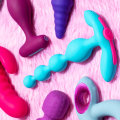
When it comes to sex toys, understanding the different types and the materials they are made from is essential for both safety and maintenance. Each material has unique properties that affect not only the toy's performance but also its cleaning requirements. Below, we explore various types of sex toys and the materials commonly used in their construction.Types of Sex Toys
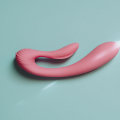
- Vibrators: These are designed to provide stimulation through vibrations.
They can be used for clitoral, vaginal, or anal pleasure.
- Dildos: Typically phallic-shaped, dildos can be used for penetration and come in various sizes and textures.
- Anal Toys: Specifically designed for anal play, these toys often feature flared bases for safety.
- Couples' Toys: These are designed to be used by two partners simultaneously, enhancing shared pleasure during intercourse.
- Bondage Gear: While not traditional "toys," items like cuffs and blindfolds can enhance sexual experiences.
Common Materials Used in Sex Toys
The materials used in sex toys significantly influence their cleaning methods:- Silicone: A popular choice due to its non-porous nature, silicone is easy to clean with soap and water or a toy-safe disinfectant. It can also be boiled for sterilization.
- Glass: Non-porous and easy to clean, glass toys can be sanitized with soap and water or placed in the dishwasher. They are also safe for temperature play.
- Stainless Steel: Like glass, stainless steel is non-porous and can be easily cleaned. It can also be sterilized by boiling or using a UV sterilizer.
- Rubber: This porous material requires thorough cleaning with soap and water.
However, it cannot be fully sterilized, so care must be taken to prevent bacterial growth.
- Jelly Rubber: Similar to rubber but often contains phthalates, jelly toys are porous and should be cleaned with mild soap. They cannot be fully disinfected, making them less ideal for long-term use.
Specific Cleaning Techniques for Different Materials
When it comes to cleaning sex toys, understanding the specific requirements for different materials is crucial for maintaining their integrity and ensuring your safety. Each material has unique properties that dictate the best cleaning methods.Below, we explore effective cleaning techniques tailored to various materials.
Silicone Toys
Silicone is a popular choice for sex toys due to its non-porous nature, making it resistant to bacteria. To clean silicone toys:- Wash with Soap and Water: Use warm water and a mild, unscented soap. Gently scrub the surface, paying attention to any textured areas.
- Disinfect: For deeper cleaning, you can boil silicone toys in water for 3-5 minutes or use a toy-safe disinfectant spray. Always rinse thoroughly after disinfecting.
- Avoid Harsh Chemicals: Stay away from alcohol-based cleaners or bleach, as these can degrade the silicone material.
Rubber Toys
Rubber toys are porous and can harbor bacteria if not cleaned properly.Here’s how to care for them:
- Soap and Water: Clean rubber toys with warm water and a gentle soap. Make sure to scrub all surfaces, especially any grooves or seams.
- Dry Thoroughly: After washing, dry the toy completely to prevent mold growth.
- Avoid Boiling: Do not boil rubber toys as high temperatures can damage them.
Glass Toys
Glass toys are non-porous and can be easily sanitized. Follow these steps:- Wash with Soap and Water: Use warm water and a mild soap to clean glass toys. They can also be placed in the dishwasher (top rack) for convenience.
- Disinfect: Glass can be sterilized by boiling or using a 10% bleach solution.
Rinse thoroughly after disinfection.
- Inspect for Damage: Always check for cracks or chips before use, as damaged glass can pose safety risks.
Metal Toys
Metal toys are durable and easy to clean but require specific care:- Wash with Soap and Water: Clean metal toys with warm water and mild soap. They are also dishwasher safe.
- Sterilization Options: Metal can be boiled or wiped down with a 10% bleach solution for disinfection.
- Avoid Abrasives: Do not use abrasive cleaners or scrubbers that could scratch the surface of the metal.
Disinfecting Your Sex Toys: Methods and Best Practices
When it comes to ensuring the safety and hygiene of your intimate experiences, disinfecting sex toys is a critical step that should never be overlooked. Proper disinfection not only helps to eliminate harmful bacteria but also extends the lifespan of your toys.Below, we will explore various methods for disinfecting your sex toys, along with best practices to follow.
Effective Disinfection Methods
- Boiling: For non-porous materials like silicone, glass, or stainless steel, boiling is one of the most effective methods. Simply submerge the toy in boiling water for 3 to 5 minutes. This method effectively kills most bacteria and viruses.
- UV Sterilization: UV sterilizers are becoming increasingly popular for disinfecting sex toys. These devices use ultraviolet light to kill germs and bacteria without the use of chemicals.
Simply place your toy inside the sterilizer and follow the manufacturer's instructions for optimal results.
- Chemical Disinfectants: If you prefer using chemical solutions, opt for a toy-safe disinfectant that is free from alcohol and bleach. Look for products specifically designed for cleaning sex toys, as they are formulated to be gentle on materials while still effective at killing germs. Always follow the instructions on the label for proper usage.
Best Practices for Disinfection
- Read Manufacturer Instructions: Always refer to the manufacturer's guidelines for cleaning and disinfecting your specific toy. Different materials may require different care.
- Thorough Cleaning: Before disinfecting, wash your toy with warm water and mild soap to remove any bodily fluids or lubricants.
Pay special attention to any grooves or textured areas where bacteria may hide.
- Dry Completely: After disinfection, ensure that your toy is completely dry before storing it. Moisture can promote bacterial growth, negating your cleaning efforts.
- Avoid Cross-Contamination: If using multiple toys, make sure to clean each one separately to avoid transferring bacteria from one toy to another.
Storage Solutions for Clean and Safe Sex Toys
Proper storage of sex toys is essential not only for maintaining their cleanliness but also for ensuring their longevity and safety. After cleaning your toys, it’s crucial to follow specific guidelines to prevent contamination and damage during storage.1.Ensure Complete Dryness
- Before storing your sex toys, make sure they are completely dry. Any residual moisture can promote the growth of bacteria and mold, which can be harmful to both your health and the integrity of the toy.
- Consider using a clean, soft cloth to pat them dry after washing.
This extra step can help eliminate any remaining water droplets.
2.Choose the Right Storage Environment
- Store your toys in a cool, dry place away from direct sunlight. Exposure to heat and UV rays can degrade materials like silicone and rubber over time, affecting their texture and safety.
- A drawer or a dedicated storage box is ideal, as it protects your toys from dust and other contaminants.
3.Use Individual Storage Solutions
- For porous materials such as jelly or rubber, it’s best to store them separately from non-porous toys like glass or silicone. This prevents any transfer of bacteria or odors between different materials.
- Consider using individual pouches made from breathable fabric or dedicated containers for each toy. This not only keeps them clean but also prevents them from scratching or damaging each other.
4.Avoid Stacking Toys
- Avoid stacking multiple toys on top of each other, as this can lead to scratches or damage to delicate surfaces.
Instead, lay them flat in their storage containers or bags.
- If you have larger toys, ensure they have enough space around them to avoid any pressure that could deform their shape.
5.Regularly Check Your Storage Area
- Periodically inspect your storage area for any signs of moisture or pests. Keeping the area clean will help maintain the hygiene of your toys.
- If you notice any unusual odors or discoloration on your toys during these checks, it may be time to clean them again before use.
Common Mistakes to Avoid When Cleaning Sex Toys
Cleaning sex toys is an essential part of maintaining hygiene and ensuring a safe experience. However, many individuals make common mistakes that can compromise both the effectiveness of the cleaning process and the longevity of the toys.Here are some frequent errors to avoid:
- Using Harsh Chemicals: One of the biggest mistakes is using household cleaners that contain bleach, alcohol, or other harsh chemicals. These substances can damage the material of your toys and may lead to irritation or infections when used on sensitive areas.
- Neglecting to Read Manufacturer Instructions: Each sex toy comes with specific cleaning instructions provided by the manufacturer. Ignoring these guidelines can result in improper cleaning methods that may harm the toy or reduce its lifespan.
- Not Cleaning Before and After Use: Failing to clean your toys both before and after use is a significant oversight. This practice can lead to bacterial growth and increase the risk of infections.
- Overlooking Crevices and Textures: Many toys have intricate designs with ridges and textures where bacteria can hide.
Skipping these areas during cleaning can leave harmful germs behind, so it’s crucial to pay attention to every detail.
- Using High Heat on Porous Materials: Some users mistakenly believe that boiling or using a dishwasher is safe for all materials. Porous toys, such as those made from jelly or rubber, should never be exposed to high heat as this can cause them to break down and harbor bacteria.
- Storing Toys While Still Wet: After cleaning, it’s vital to ensure that your toys are completely dry before storing them. Storing wet toys can promote mold growth and bacteria accumulation, which can be harmful during future use.
- Mixing Different Materials: Storing porous materials with non-porous ones can lead to cross-contamination. For example, jelly toys can absorb odors from silicone toys, affecting their quality and safety.
By taking the time to clean them properly and following best practices, you can ensure a more enjoyable experience every time.
FAQs About Cleaning Sex Toys
When it comes to cleaning sex toys, many users have questions about the best practices and methods to ensure safety and hygiene. Here are some frequently asked questions that can help clarify common concerns regarding toy maintenance:1.How often should I clean my sex toys?
It is essential to clean your sex toys before and after each use. This practice helps eliminate any bacteria that may have accumulated during storage or use, ensuring a safe experience every time.2.Can I use regular soap to clean my toys?
While mild soap and warm water can be effective for cleaning, it is advisable to use a toy-safe cleaner specifically designed for this purpose. Regular soaps may contain fragrances or chemicals that could irritate sensitive areas.3.Are there specific cleaning methods for different materials?
Yes, different materials require different cleaning techniques:- Silicone: Non-porous and can be boiled or washed with soap and water.
- Glass and Metal: Can be cleaned with soap and water or a toy-safe disinfectant.
- Rubber and Jelly: Porous materials that should be cleaned with soap and water but cannot be sterilized.
4.Is it safe to share sex toys?
If you plan to share sex toys, it is crucial to clean them thoroughly between uses.Using a condom over the toy can also provide an extra layer of protection against bacteria.
5.What should I do if my toy has developed an odor?
If your toy has an unpleasant smell, it may require more than just a standard wash. Try soaking it in a mixture of water and vinegar for about 10-15 minutes, then rinse thoroughly. If the odor persists, it may be time to consider replacing the toy.6.Can I store my toys in the same container?
Avoid storing different types of toys together, especially porous materials with non-porous ones, as they can transfer bacteria or odors. Use separate storage bags or containers to keep them clean and safe.By addressing these common questions, you can ensure that your cleaning routine is effective and that your sex toys remain safe for use.Always refer to the manufacturer's instructions for specific care guidelines tailored to your toys.
Conclusion: Prioritizing Hygiene for a Safe Experience with Sex Toys
In conclusion, maintaining proper hygiene when using sex toys is not just a matter of preference; it is a crucial aspect of ensuring your health and safety. Throughout this article, we have explored various methods and best practices for cleaning and disinfecting your toys, emphasizing the importance of understanding the materials they are made from.To recap, here are the key points to remember:- Know Your Materials: Different materials require different cleaning techniques. For instance, silicone toys can withstand boiling or dishwasher cleaning, while porous materials like jelly or rubber need gentler care to avoid harboring bacteria.
- Use Appropriate Cleaners: Always opt for cleaners specifically designed for sex toys. Avoid harsh chemicals such as bleach or alcohol that can damage the toy's surface and irritate sensitive areas.
- Thorough Cleaning: Wash your toys with warm water and mild soap before and after each use.
Pay special attention to any crevices where bacteria may hide. For deeper cleaning, consider using a toy-safe disinfectant.
- Disinfection Techniques: Depending on the material, effective disinfection methods include boiling silicone toys, using a UV sterilizer, or applying a diluted bleach solution to non-porous toys.
- Proper Storage: After cleaning, ensure your toys are completely dry before storing them in a cool, dry place. Use separate storage for porous and non-porous materials to prevent cross-contamination.
- Regular Inspection: Routinely check your toys for signs of wear and tear. If you notice any damage or if they have been used extensively, consider replacing them to maintain safety during use.
Remember that taking the time to clean and care for your toys not only extends their lifespan but also ensures that your intimate moments remain safe and pleasurable. Embrace these practices as part of your routine, and enjoy your exploration with peace of mind.